AI search, zero-click results and the new rules of content marketing
For two decades, the content playbook was relatively straightforward: publish something useful, rank well and win the click. But search is changing. Google increasingly answers questions directly, and AI-powered experiences are reshaping how people discover, evaluate and engage with brands.
For marketing teams, this is not simply a question of lost website traffic. It raises a bigger challenge: how do you build visibility, authority and trust when a potential customer may form an impression of your business without ever visiting your website? At Mobas, we see this as an opportunity to rethink what content is really for.
The rise of zero-click search
Research cited in the original article illustrates the scale of the shift. SparkToro’s analysis of US Google searches between January and April 2026 found that 68% ended without a click, with mobile zero-click searches approaching 77%. The proportion of searches generating a click also fell significantly between 2024 and 2026.
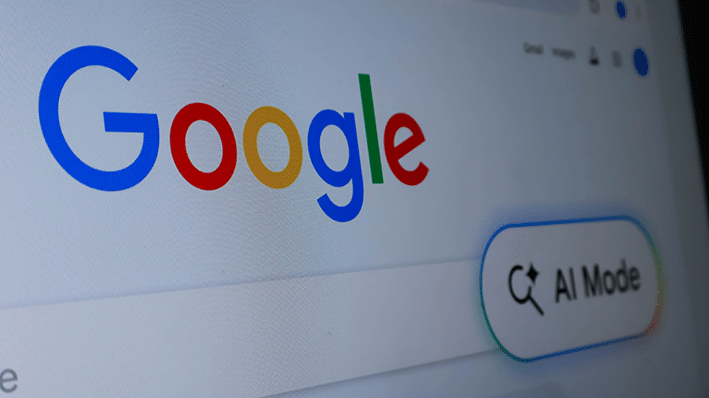
AI Overviews are part of that picture. The article cites Ahrefs research suggesting that the click-through rate of the top organic result is around 58% lower when an AI Overview appears. Pew Research found that 26% of people encountering an AI summary ended their browsing session, compared with 16% who did not. Semrush also reported a 93% zero-click rate in Google AI Mode.
These findings concern US search behaviour, so they should not be treated as direct UK benchmarks. Nevertheless, they reinforce an important point: search visibility and website visits are no longer the same thing.
Your brand reputation is being shaped before the click
Even searches for a company by name may now return an AI-generated description ahead of its website. The original research notes that Ahrefs tracked 100 global brands and found AI Overviews appearing for five in early July, rising to 63 by 30 September 2026.
That means the information AI systems select, summarise and cite becomes part of your brand experience. A clear, consistent brand proposition matters not only to the people who visit your website, but also to the systems interpreting your business on their behalf.
Explore Mobas’ brand strategy services
Not all content faces the same risk
Informational searches are particularly exposed. For B2B marketers, this matters because many content programmes rely on explainers, guides and how-to articles. When a search engine can provide a sufficient answer in a few sentences, there may be little reason to click through to a generic article.
Branded, local and high-intent searches can behave differently. And visitors who do click through may be further along in their decision-making journey. The objective, therefore, should not be to abandon informative content, but to give audiences a compelling reason to seek out your perspective, expertise and evidence.
Six ways to adapt your content strategy
1. Measure influence, not just traffic
Organic sessions still matter, but they tell only part of the story. Assess branded search demand, direct visits, qualified enquiries, engagement and pipeline contribution alongside rankings and clicks. A smaller volume of better-qualified visitors may create more commercial value.
2. Become a source worth citing
Original research, first-hand experience, specialist insight and credible expert commentary give your content something AI-generated summaries cannot easily replicate. Use proprietary findings, case studies and evidence from real work to make your brand a source of authority.
3. Build demand for your brand
Strong search performance increasingly depends on whether audiences recognise and actively seek out your business. Distinctive positioning, consistent messaging, thought leadership and earned media help make your brand memorable beyond an individual search result.
4. Make expertise easy to find and understand
Structure pages with clear headings, concise explanations, relevant evidence and identifiable authorship. Well-organised, technically sound content supports users and helps search engines interpret what you know and why you are credible.
5. Build a connected channel strategy
Avoid relying on one platform or one form of discovery. Search, email, LinkedIn, PR, events and communities should reinforce one another, so changes in AI search behaviour do not undermine your entire approach.
6. Say something only your brand can say
Generic advice is increasingly easy to reproduce. Invest in original points of view, practical lessons, distinctive language and the experiences that make your organisation different. The goal is not more content for its own sake, but content that earns attention and builds trust.
A joined-up approach combines content strategy, SEO and social media and content marketing around shared business objectives.
A simple brand visibility check
Search for your organisation’s exact name. Does an AI Overview appear? What does it say about your business? Which sources are referenced, and does the description reflect your proposition accurately? Repeat the exercise periodically, since results can vary over time.
Then review your strongest-performing content. How much of it answers a question anyone could answer, and how much offers insight that genuinely belongs to your brand? The distinction is becoming increasingly important.
Search is not dead. Its role is evolving.
SEO remains essential, but success is no longer defined by clicks alone. Brands need to earn attention, confidence and recognition across the entire discovery journey, including the moments when an AI-generated answer stands between the audience and the website.
At Mobas, we connect brand strategy, audience insight, content and digital performance to help businesses stay visible and relevant as behaviour changes. The brands that invest in genuine expertise and distinctive thinking will be better placed to turn visibility into meaningful growth.
Is your content working hard enough for your brand?
If you want to understand how your brand appears in search, where your content is creating value and what needs to change, talk to the Mobas team. We can help you build a content and search strategy that supports both brand authority and commercial performance.