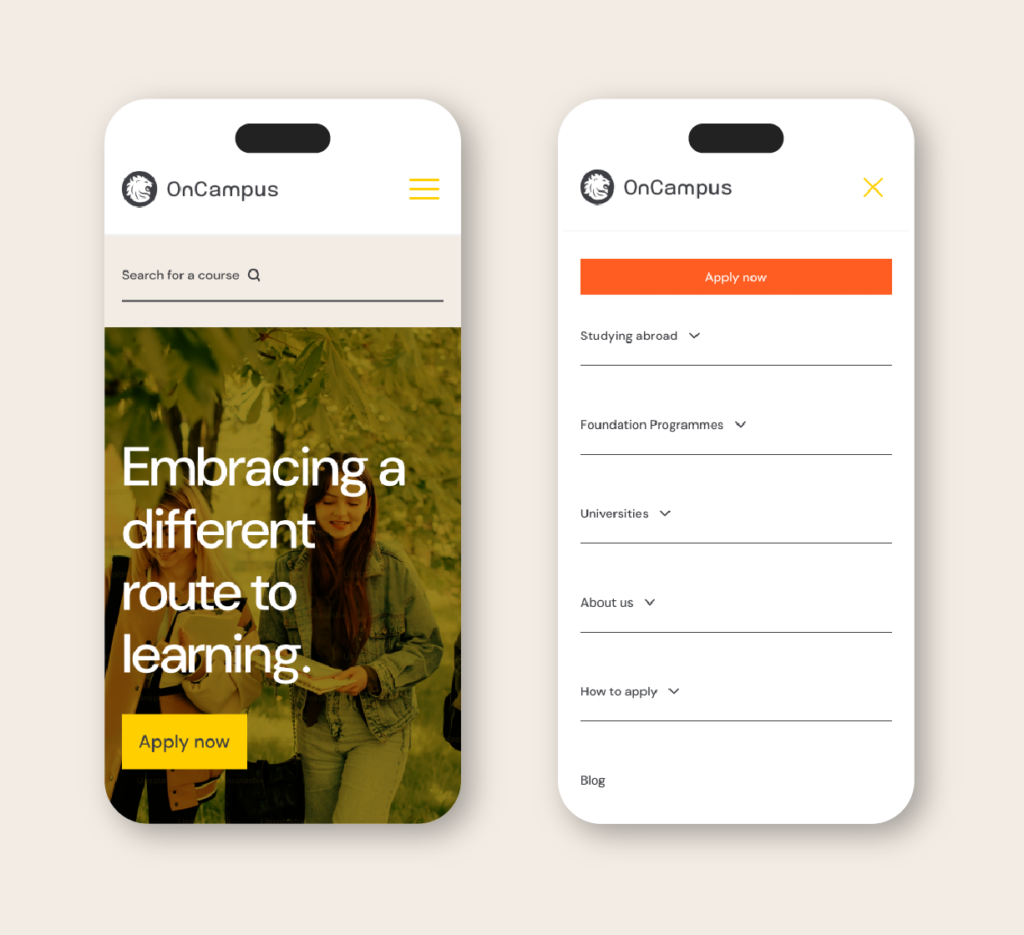
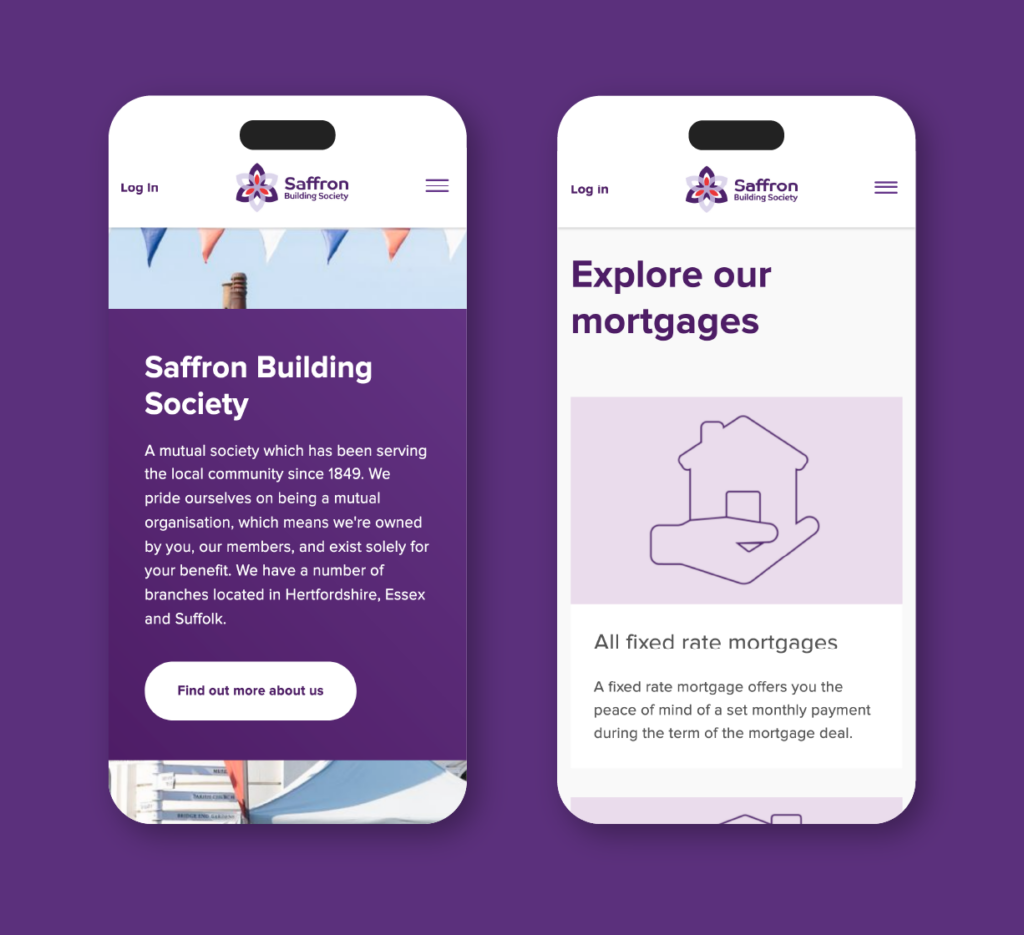
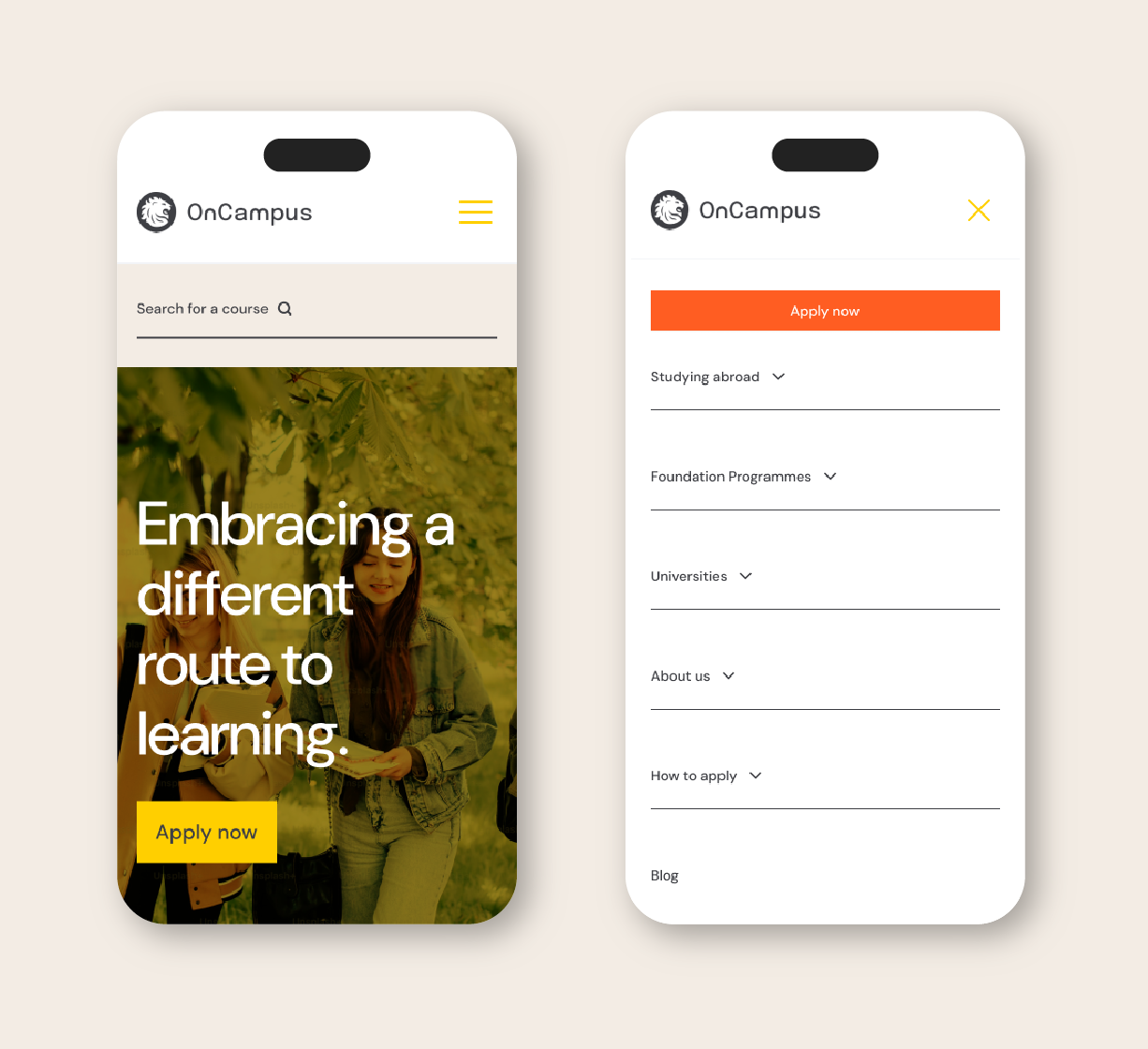
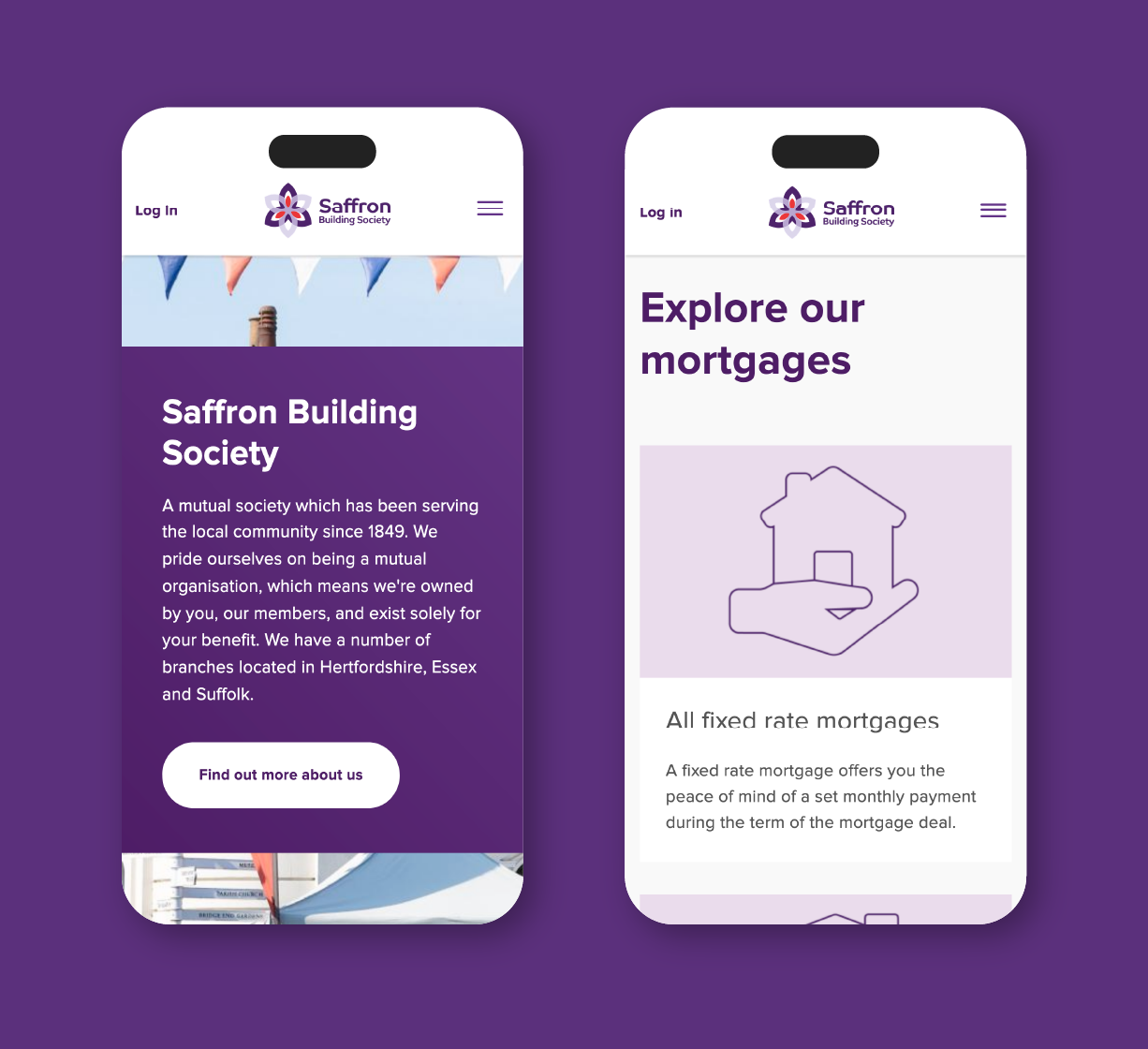
Designing experiences around real user behaviour
Great digital experiences feel effortless. Thoughtful UX and UI design turn complexity into clarity, empowering users to navigate every interaction with confidence.
Digital experiences succeed when they are built around how people actually think and behave. When user needs are misunderstood or overlooked, friction increases and performance suffers.
UX and UI design brings structure and empathy to digital decision making. At Mobas, we design experiences that balance usability, accessibility and visual expression. Our work connects user insight with brand intent, ensuring digital platforms feel intuitive while still expressing personality and purpose.
From websites and platforms to digital products and interfaces, we help organisations create experiences that guide users naturally and support commercial objectives.

What our UX and UI design services cover
User research and experience discovery
Every strong experience begins with understanding. We investigate user behaviours, motivations, and pain points through rigorous research and analysis.
This insight ensures design decisions are grounded in evidence rather than assumption, empowering teams to prioritise improvements that genuinely matter.
Information architecture and journey mapping
Clear structure underpins usability. We design information architecture that organises content logically and intuitively.
Through journey mapping, we visualise how users move through your experience. This highlights friction points and opportunities to improve flow and clarity.
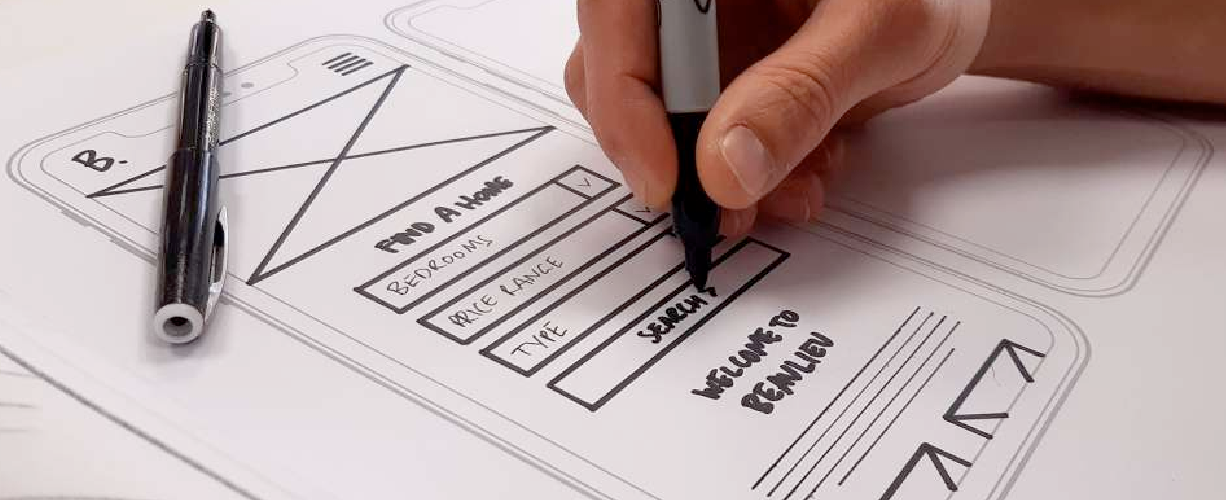
Wireframing and prototyping
We create wireframes and prototypes to explore ideas early. This allows teams to test structure, layout and interaction before investing in detailed design.
Prototyping reduces risk and encourages collaboration by making ideas tangible and easy to evaluate.
UI design and digital interface creation
User interface design shapes how experiences look and feel. We design digital interfaces that are visually clear, accessible and aligned to your brand.
This includes layouts, typography, components and interaction patterns that support usability while enhancing visual identity.
Accessibility and usability optimisation
Accessibility is essential. We design to recognised accessibility standards, ensuring experiences are inclusive and usable for as many people as possible.
Usability testing and refinement help identify barriers and improve clarity, navigation and comprehension.
Design systems and component libraries
Consistency and efficiency are supported by strong systems. We create scalable design systems and reusable component libraries.
These systems help teams deliver consistent experiences more efficiently and support long-term digital growth.
Testing, iteration and continuous improvement
Digital experiences evolve over time. We support testing, iteration and optimisation to ensure UX and UI continue to improve after launch. By analysing data and listening to user feedback, we guide continual refinement aligned to shifting needs.
Responsive and adaptive design
With users across countless devices, design must flex and respond seamlessly. Our responsive designs ensure consistent, usable experiences on mobile, tablet, desktop, and beyond.
Working with Mobas as your UX and UI design partner
Mobas pairs strategic insight with hands-on design expertise. We collaborate closely with your teams to create website and digital design experiences that are clear, usable, and fully aligned with brand ambitions.
Our focus is on creating digital experiences that work in the real world, not just in theory.
Something you’d like to know?
We understand you might be looking for answers to some unanswered questions so we’ve compiled a list of frequently asked questions to help get you started.
What is the difference between UX and UI design?
UX design decides how something works: the structure, the journey and what happens at each step. UI design decides how it looks and feels: layout, type, colour and interaction. Good digital experiences need both, which is why we design them together.
Do you test designs with real users?
Yes, wherever the project allows. Testing prototypes early shows where people hesitate or get lost, while changes are still cheap to make. Even a handful of sessions with the right users will surface most of the problems.
How do you design for accessibility?
Accessibility is built in from the first wireframe: colour contrast, readable type, keyboard navigation and clear structure for screen readers. For the University of Cambridge we delivered an inclusive website for a Cambridge college and improved accessibility across college and venue platforms.
Can you improve an existing website without rebuilding it?
Often, yes. For Habit Action we analysed user behaviour, found the friction points and ran a conversion programme focused on simpler journeys and clearer messaging. Engagement rose, and so did the quality and volume of enquiries.
How does UX fit with a website build?
It comes first. Research, structure and wireframes settle what the site must do before visual design or development begins. Greene King Pub Partners’ site began with mapped user journeys and a content review, which shaped the navigation and the build that followed.
What do we get at the end of a UX project?
That depends on the brief, but typically research findings, user journeys, a site structure, tested wireframes or prototypes, and interface designs ready for development. Larger projects also leave a design system, so future pages stay consistent.
Ready to improve your digital experience?
If you need UX and UI design that brings clarity, confidence and performance to your digital platforms, we’re ready to help.
You may also be interested in our video and production services, which help bring digital experiences to life through motion, narrative and content. Speak to the Mobas creative team or explore related services within Creative and Design.
Talk to Mobas at say.hello@mobas.com
News & insights from the team
Search is changing. Here’s how to keep your brand visible.
Is organic social media becoming pay-to-play? What Meta One means for brands
Brand Learning – Lesson 9: The strongest brands make difficult choices
Resonate. Connect. Convert.
Our mission is to help ambitious businesses grow by creating brands that resonate, with creativity that connects and campaigns that convert.
We partner with organisations at defining moments, helping them uncover who they are, what they stand for, and how they connect with the world. By aligning brand, culture, and marketing, we unlock clarity, cohesion, and momentum.