
Having made the transition from studying for a degree in economics to having a career in marketing, our Senior Account Manager Katie Sandell talks about the role of behavioural economics in our industry and how agencies can use it to encourage changing behaviour.
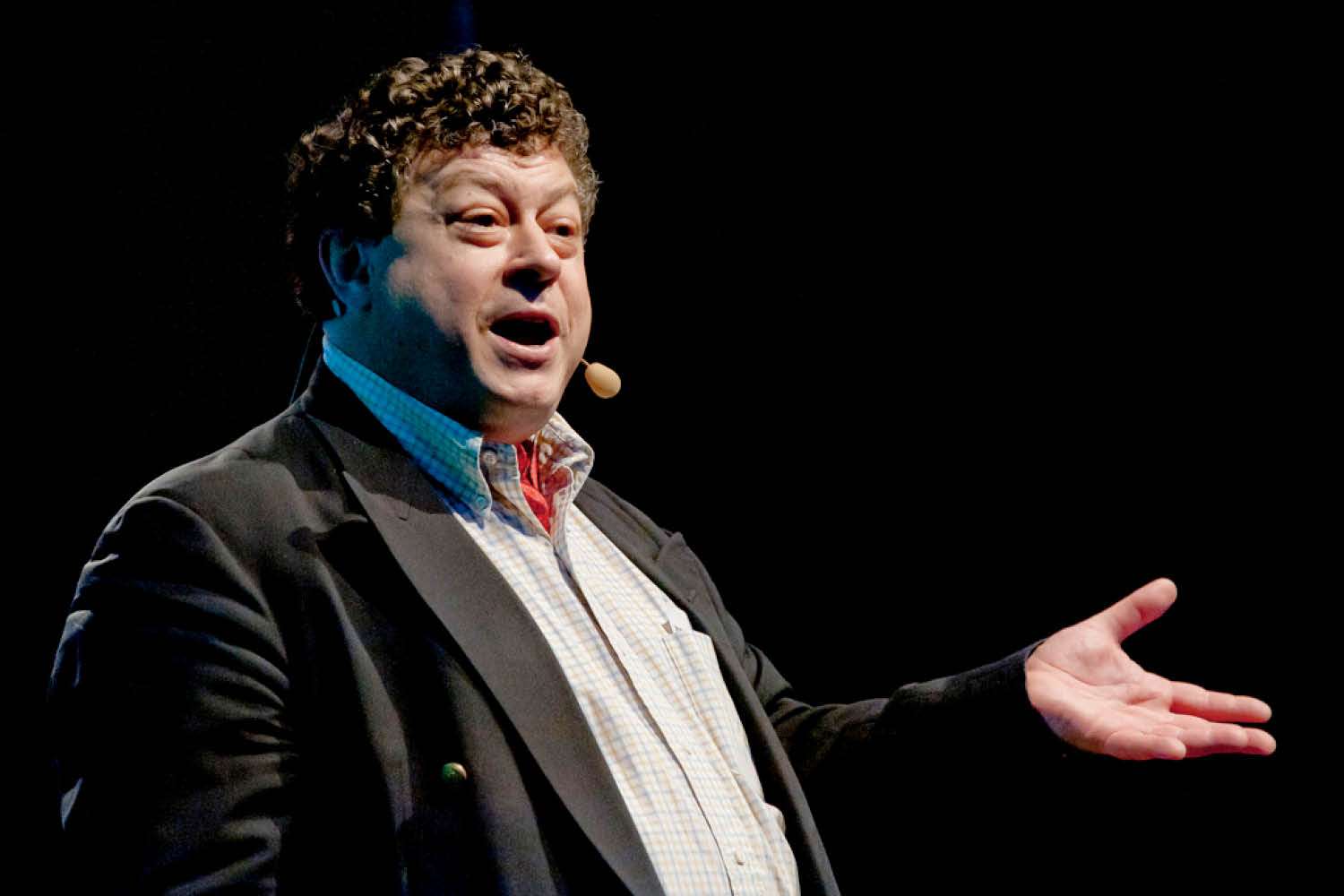
For a little while now I’ve been pretty engrossed in TED Talks and in particular, Rory Sutherland. If you haven’t yet watched any of his TED Talks, do it now – literally, stop reading this and go on YouTube…
The reason I mention Rory Sutherland is that not only is he incredibly witty, but he’s a key speaker in the realm of behavioural economics. He calls himself an ‘advertarian’ which essentially means getting involved in people’s choices (from a consumer decision-making perspective) and nudging them to make different decisions. If you’ve not come across this before, it’s essentially the emotional cousin of classical economics – it combines economics with psychology. By nature, neo-classical economics is based on rational thinking and structured theoretical models which assume that people make rational economic decisions.
For example, one would assume that giving people choice is a good thing – it surely means that we get to choose the best from the bunch. However, choice can actually be quite negative for people because when choices are made, by nature we feel that we may be missing out on the things we didn’t choose. This is probably why I hate deciding on what to eat in a restaurant, because I’m worried that I will see the food that a friend ordered and have ‘food envy’. This is one of the reasons that the likes of Aldi and Lidl have been so successful, because they tend only to stock one type of tinned tomatoes – no one feels that they’re missing out or compares themself to someone else who bought a different type of tinned tomatoes.
What behavioural economics considers is the fact that people are actually irrational and don’t make decisions based on facts and figures. I’ll use Rory Sutherland’s EuroStar analogy to explain this difference.
EuroStar spent billions of pounds in order to reduce the travel time from London to Paris by 40 minutes – a wise spend of budget, you would think. In making this decision, they’ve assumed that everyone taking that journey values their time more than anything else associated with this journey. However, if those billions of pounds were spent on paying the world’s top supermodels to serve chateaubriand to all of the passengers, then there would probably be a few billion pounds left over and the passengers would actually want to slow the journey down…
With this in mind, behavioural economics can be used in marketing to influence people’s decision-making and, crucially, perception. I’ll use a couple more of Rory’s analogies to explain this further.
If you wanted to increase the amount of people who complete their course of antibiotics, then make the final four pills blue. Tell people that they must have the white pills first, followed by the blue pills, and we’d probably see that a higher proportion of people finished all of the pills.
One example of managing and altering people’s perceptions is with the Post Office. They had a 98% success rate of delivering first-class post the next day, which is pretty impressive. However, they didn’t think that this was good enough and wanted to make it 99%. In attempting this, the company was nearly on its knees. In reality, the average person on the street would guess that the success rate is actually around 50%. So in order to make affective change (or not, as the case may be) we must first understand people’s perceptions.
Rory also states that perception is ‘leaky’. In other words, when you’ve had your car cleaned and valeted, you’ll probably feel that it drives better. This is obviously complete nonsense, but it shows how leaky perception can be.
We may not be able to change reality or habits all of the time, however by really delving into how consumers value products, services, money, choice, time, etc., we can create effective marketing communications which affect their perception and ‘nudge’ them to make different choices.
Hear what Rory has to say:
Perspective is everything – https://www.ted.com/talks/rory_sutherland_perspective_is_everything
Life lessons from an ad man – https://www.ted.com/talks/rory_sutherland_life_lessons_from_an_ad_man