
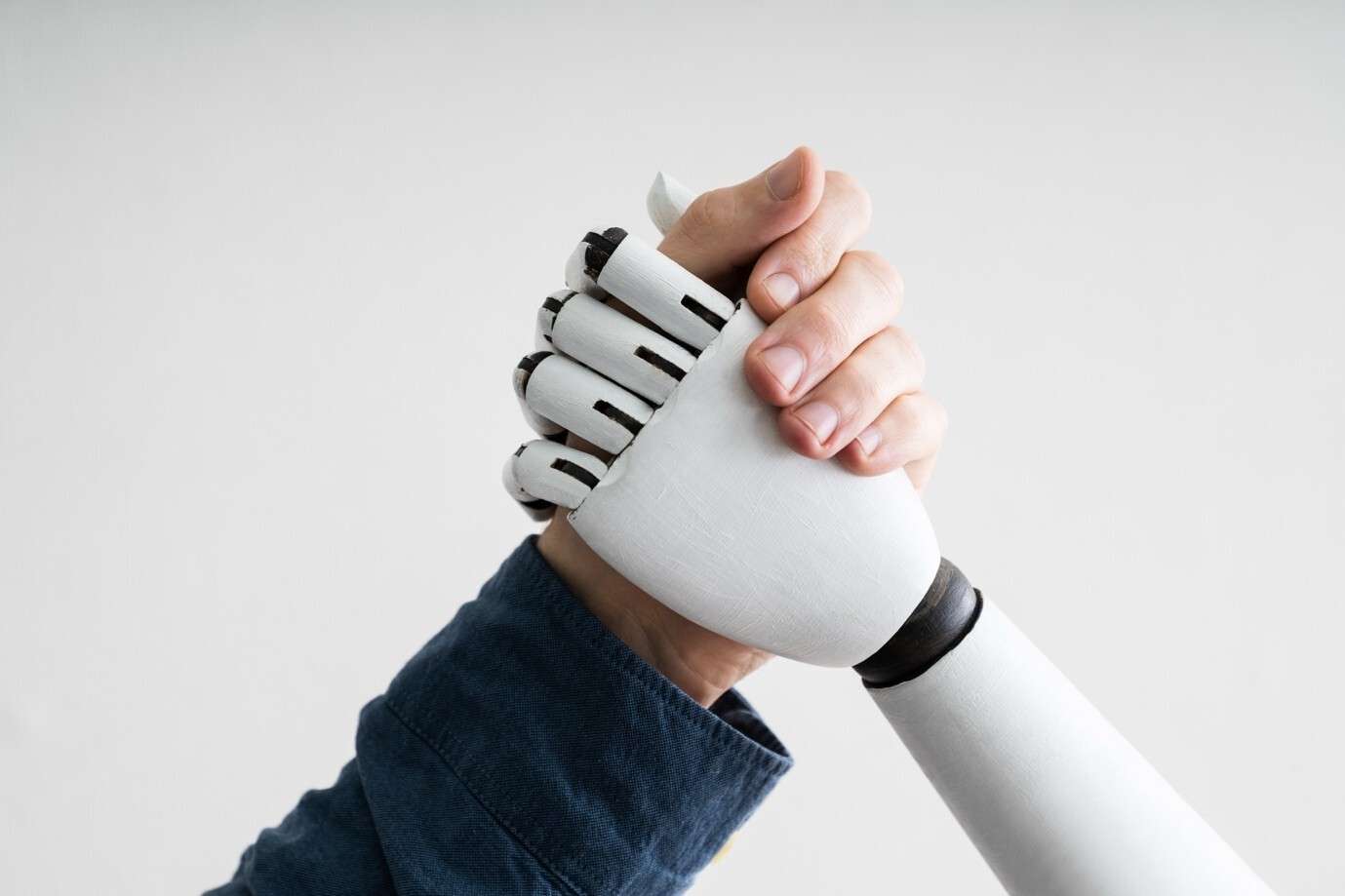
As we continue to move deeper into a world shaped by screens, feeds, algorithms and AI-generated content, something quietly powerful is emerging. It is our shared yearning for the real, the human and the imperfect. Authenticity is no longer a luxury. It is a differentiator, a bridge and, in many ways, what gives meaning to everything we do. After all, if we don’t have meaning in life, what do we have.
Human interaction carries multidimensional cues: tone, hesitation, laughter, surprise and empathy. These are not just superficial colourings, they communicate trust, rapport and shared experience. In my experience, the smallest moments of genuine reaction often create the strongest connections. When someone shows vulnerability or responds with unfiltered honesty it draws us in. In digital spaces where so much is polished, curated or automated, that bond becomes rare and therefore precious. I’m sure we’ve all been able to read the room, when we’re actually in the room, versus the digital meeting room, where sometimes there’s not even a face.
Each person has a story shaped by individual quirks, histories, failures and triumphs. These stories create identity. Humans don’t just consume content, they give it meaning by sharing who they are, what they believe and what they’ve learned. This uniqueness can never be fully replicated by technology. Style may be mimicked, but the combination of life history, values and perspective is indivisible.
Emotion also plays a vital role. We respond to joy, anguish, regret and aspiration. Humans feel and convey these things with moral weight: conscience, justice and compassion. AI may generate beautiful narrative or simulate sentiment, but it doesn’t live through these feelings. And people sense the difference. In my own work I’ve seen how a story told with genuine emotion can move an audience far more than anything technically perfect but emotionally hollow.
Yet, of course, it would be wrong to cast technology as the enemy of authenticity. Used wisely it becomes a powerful enabler. Digital tools give us reach far beyond what was possible in the past. A human-authentic message, when broadcast through the right channels, can ripple widely. Automation allows routine tasks to be lifted, leaving humans to focus on what we do best: creativity, empathy and strategy. AI can enrich content and provide insights, but it’s at its best when the human remains in control.
The challenge lies in striking a balance. Technology can amplify inauthenticity as easily as it can authenticity. That’s why intentionality matters. Begin with clarity of purpose and understand who you’re speaking to and why. Always keep humans in the loop, shaping the narrative, setting the tone and knowing when to step in. Be transparent about where AI is used, because honesty builds trust. Embrace imperfection, because perfection can be cold, while genuine flaws create connection. Above all, keep listening and responding, because authenticity grows through two-way exchange, or we simply run the risk of existing in a very cold, lonely space.
For brands this means distinguishing yourself not only by what you sell, but by how you speak, behave and stand for something and purpose. Brands that are human-centred, empathetic and consistent will always rise above those that rely purely on slick digital presentation. For leaders and teams, it means nurturing cultures where people feel safe to bring their full selves to work. And for communication it means striving for voice over veneer, meaning over form and connection over perfection.
We live in times of extraordinary change. Technology evolves quickly and AI continues to grow in capacity, but human authenticity has enduring power. It is adaptive, resilient and inherently unique, and no machine can fully substitute that.
The opportunity before us is to use technology as an amplifier and assistant, not a replacement. By anchoring digital innovation in human truths, we can build trust, connection and impact.
Looking ahead, those who embrace authenticity not as an accessory but as a core principle will be the ones who build the strongest relationships, the most trusted brands and the most memorable work.
The horizon may be digital, but it’s humanity that gives it meaning.